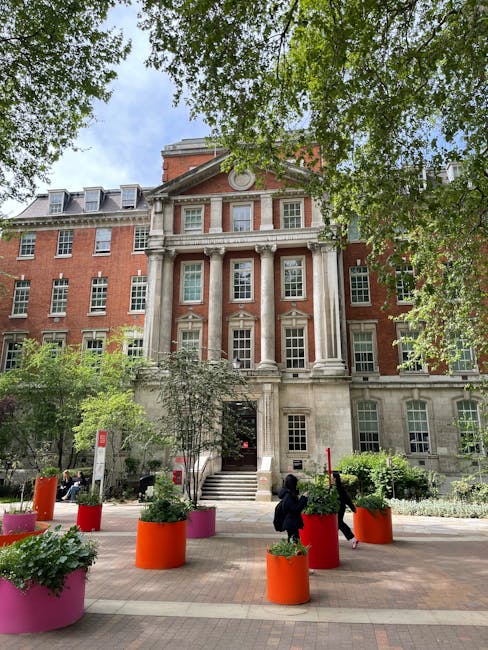
Student Moves London South Bank University Removals Guide
Moving as a student can feel simple right up until the boxes start piling up, the lift is busy, and your seminar notes are somehow mixed in with a kettle and three chargers. This Student Moves London South Bank University removals guide is here to make the whole process calmer, quicker, and a lot less chaotic. Whether you are heading into halls, moving between shared flats, or leaving South Bank after graduation, the key is to plan properly and keep the move light, organised, and realistic.
You do not need a giant lorry for every student move. Sometimes you just need a sensible plan, a bit of packing discipline, and the right moving support at the right time. In central London, that matters even more because access, parking, time slots, and building rules can turn a "quick move" into an all-day headache if you are not prepared.
This guide walks through the moving process step by step, explains the main choices, and gives you practical advice you can actually use. It also covers common mistakes, a helpful checklist, and the small details that tend to get overlooked until the last minute. Truth be told, those are usually the details that make or break the day.
Table of Contents
- Why Student Moves London South Bank University removals guide Matters
- How Student Moves London South Bank University removals guide Works
- Key Benefits and Practical Advantages
- Who This Is For and When It Makes Sense
- Step-by-Step Guidance
- Expert Tips for Better Results
- Common Mistakes to Avoid
- Tools, Resources and Recommendations
- Law, Compliance, Standards, or Best Practice
- Options, Methods, or Comparison Table
- Case Study or Real-World Example
- Practical Checklist
- Conclusion
- Frequently Asked Questions
Why Student Moves London South Bank University removals guide Matters
Student moving is rarely about big furniture. More often it is about timing, convenience, and getting your life from one place to another without losing time, money, or your temper. Around London South Bank University, that challenge is sharper because the area is busy, the streets are tight, and the moving environment changes fast from one building to the next.
A proper removals guide matters because student moves are a different beast from standard house removals. You may be dealing with:
- shared accommodation with limited storage space
- single rooms and small lifts
- packed move-in and move-out dates
- restricted parking or loading access
- last-minute changes from landlords, halls, or flatmates
One student might only have three suitcases and a desk chair. Another has a mattress topper, kitchen gear, a monitor, bike parts, and enough books to test the strength of every box. The move still has to happen neatly. And quickly, ideally.
That is why planning beats improvisation every time. A few minutes spent sorting your belongings and checking building access can save an entire afternoon later on. In the real world, that is the difference between a smooth handover and standing on the pavement wondering where the van can legally stop.
If you want a broader look at move types and vehicle options, the site's man with van service and man and van support are useful pages to understand how smaller, flexible moves are usually handled.
Expert summary: Student removals work best when you treat them as a logistics job, not just a packing job. The packing matters, yes - but access, timing, and load size matter just as much.
How Student Moves London South Bank University removals guide Works
The basic process is straightforward, but each stage needs a bit of care. A student move usually runs through four practical phases: decide what is moving, prepare your items, arrange transport, and unload at the new place. Simple on paper. A bit fiddly in practice.
1. Sort your belongings early
Start by separating what you are taking, what you are donating, what can be recycled, and what should be disposed of properly. This is the part people skip when they are busy, and it nearly always creates stress later. If you have large items you no longer want, such as a mattress, sofa, or fridge, it is worth checking the relevant disposal options rather than leaving them for the moving day scramble.
2. Measure and reduce
Student rooms are often smaller than people expect. That means every item should earn its place in the van. Measure larger pieces, and if something is awkward, ask whether it is actually worth moving. A cheap desk that takes up half the van may not be the best use of space, especially if you are moving just a short distance.
3. Pack for speed, not perfection
With student removals, good packing is about efficiency. Use sturdy boxes, label them by room or category, and keep essentials separate. Your first night bag should include chargers, toiletries, a change of clothes, medication if needed, and anything you will need before the boxes are fully opened. Because yes, that one box you need is always the one at the bottom.
4. Arrange the right transport
For a student move, a smaller vehicle often makes the most sense. A flexible moving service can be more practical than hiring a large truck you barely fill. If your load includes bulky furniture or you are sharing the move with a flatmate, the choice may shift. For mixed loads, moving truck support or removal truck hire may be better suited.
5. Time the move carefully
Midweek mornings are often easier than weekends, especially in central London where roads and building access can get busier than expected. If your accommodation has a booking system for lifts or loading bays, follow it. A five-minute delay can snowball fast when another resident is waiting behind you.
Key Benefits and Practical Advantages
A well-planned student move brings more than convenience. It can save money, reduce damage, and make the whole transition feel less overwhelming. That is not just marketing talk; it is the reality of moving in a compact city space with limited time.
- Lower stress: You know what is moving, when it is moving, and who is handling it.
- Less waste: You avoid paying to move things you do not actually need.
- Better protection for belongings: Proper packing reduces breakages and scratches.
- Faster turnaround: Efficient loading and unloading means less time spent waiting around.
- More control over cost: Clear planning helps you avoid unnecessary extra trips.
There is also a practical mental-health side to this. A move that is under control feels different. You arrive, put the kettle on, and can breathe. Sounds minor. It is not minor.
For students who are juggling lectures, part-time work, and deadlines, a structured move frees up headspace. And that can matter more than a few pounds saved by doing everything the hard way.
If you need help with packing fragile items, the packing and unpacking services page is worth a look, especially when the move includes glassware, laptops, monitors, or kitchen items that never quite fit together neatly in one box.
Who This Is For and When It Makes Sense
This guide is for any student connected with London South Bank University who needs to move belongings efficiently and without guesswork. That includes people in halls, shared houses, private rentals, or short-term rooms between contracts.
It makes sense if you are:
- moving into student accommodation for the first time
- changing flats between terms
- going home for summer and taking most belongings with you
- moving in with friends and splitting the load
- leaving London and need a clean handover
- downsizing after a year with too much stuff, which happens to the best of us
Some students can handle the move with a couple of friends and a borrowed car. Others need a more reliable setup because they have furniture, awkward items, or very little time. There is no shame in choosing the easier route. In fact, that is usually the smart move.
If you are moving from a family home into London accommodation, you may also find the broader guidance on home moves useful, especially if the move is more involved than a typical student relocation.
Step-by-Step Guidance
Here is a practical process you can follow without needing a spreadsheet the size of a small novel.
Step 1: Make a realistic inventory
Walk through your room and list everything you are actually taking. Be honest. Do you need the broken lamp, or are you keeping it because it feels rude not to? The inventory should include furniture, boxes, kitchen items, electronics, bedding, and any special items like bikes or instruments.
Step 2: Decide what stays behind
Sort items into four groups: keep, donate, recycle, dispose. If you have large unwanted items, check disposal options early. For example, the site's mattress and sofa disposal information can help when you are clearing out bulky furniture. If you are dealing with appliances, take a look at fridge and appliance removal as well.
Step 3: Pack room by room
Packing by category is fine, but room-by-room is usually easier to unpack. Keep books together, toiletries together, kitchenware together. Label the box on two sides if possible, not just the top. That small habit saves time later when boxes are stacked in a hallway.
Step 4: Prepare a move-day essentials bag
Put your keys, ID, chargers, snacks, water, medication, and a few toiletries somewhere easy to reach. Think of it as your first-night kit. You will thank yourself when you are too tired to dig through twelve identical boxes at 10pm.
Step 5: Confirm access arrangements
Check where the vehicle can park, whether there is a loading zone, whether the lift must be booked, and whether there are time limits on use. In central London, access issues are often the hidden problem. Not the packing. The access.
Step 6: Load in the right order
Heavy, sturdy items go in first. Softer boxes and fragile items should be placed where they will not get crushed. If you are using a moving team, point out which items are fragile and which boxes contain essentials. A calm ten-minute briefing at the start can prevent annoying mistakes later.
Step 7: Unpack the essentials first
Set up your bed, basic kitchen items, and study equipment before dealing with decorative stuff. You need a place to sleep and a way to work. The rest can wait. Honestly, the fairy lights can survive one more evening in a box.
Expert Tips for Better Results
There are a few small habits that make student removals noticeably easier. None of them are fancy. Most are just sensible, which is often the best kind of advice.
- Use consistent box sizes where possible. They stack better and are easier to carry.
- Keep heavier items in smaller boxes. Books and files get heavy fast. Too heavy, actually.
- Protect cables and chargers together. A zip bag or labelled pouch saves a lot of grief.
- Take photos of setups before dismantling. Beds, desks, and shelves are easier to rebuild if you know how they looked.
- Plan for stairs and narrow corridors. Student buildings often have awkward corners, and it is worth being ready for them.
- Leave a small buffer in your schedule. Even a 20-minute cushion can reduce pressure.
A practical trick many students forget: pack a cleaning kit separately. A cloth, bin bags, a sponge, and a bottle of spray cleaner are tiny things, but they matter when you are doing a final sweep of your room. That late-afternoon light through a slightly dusty window? It shows everything.
If you need help with more complex moves, the site's man and van option can be a useful middle ground between doing everything yourself and arranging a full-scale removal.
Common Mistakes to Avoid
Student moves often go wrong in predictable ways. The good news is that most of them are avoidable if you know what to watch for.
- Packing too late. Last-minute packing usually means weak boxes, missing essentials, and stress.
- Bringing too much. The cost of moving clutter is still a cost.
- Ignoring access rules. A vehicle can only park where it is allowed to park.
- Forgetting to label boxes. Unlabelled boxes become mystery boxes. Mystery boxes are not fun.
- Not checking disposal needs early. Bulky or awkward waste can create a delay if left until moving day.
- Underestimating fragile items. Glassware, screens, and mirrors need proper wrapping.
- Leaving essentials in the wrong place. If you cannot find your charger or ID, the day gets messy fast.
Another common issue is trying to treat every move like a DIY challenge. Sometimes that works. Sometimes it is just a long way of making your day harder than it needs to be. No hero points for lifting a wardrobe down three flights by yourself, let's be fair.
Tools, Resources and Recommendations
You do not need specialist kit for a student move, but a few practical tools will help a lot.
| Tool or Resource | Why It Helps | Best Use |
|---|---|---|
| Strong cardboard boxes | Safer stacking and easier carrying | Books, clothes, kitchen items |
| Marker pens and labels | Speeds up unpacking | Room-by-room box marking |
| Bubble wrap or soft wrap | Protects delicate items | Glass, lamps, screens |
| Reusable bags | Handy for loose items | Chargers, toiletries, study bits |
| Mattress or furniture covers | Reduces dirt and scuffs | Furniture and bedding |
| Online booking tools | Helps lock in timing early | Busy move dates and short windows |
For students who want a simpler booking process, book online can be the most convenient place to start. If you are comparing prices, pricing and quotes gives you a clearer idea of how the service is structured.
And if your move includes items that should be recycled or disposed of responsibly, the recycling and sustainability page is useful background. Little detail, but it matters if you want to avoid waste.
Law, Compliance, Standards, or Best Practice
Student moving is not usually a heavily regulated process in the way construction or medical logistics might be, but there are still important standards and best practices to follow. In the UK, you should always handle waste responsibly, keep access safe, and follow building rules, tenancy conditions, and local parking restrictions where they apply.
From a practical standpoint, best practice means:
- not blocking shared entrances or fire exits
- not overloading boxes or lifting beyond what is safe
- disposing of unwanted items properly
- checking whether appliances need special handling
- making sure any moving help carries suitable insurance
If confidential paperwork is part of the move, such as old tenancy documents, bank letters, or study admin you no longer need, keep it secure. The site's confidential shredding page is relevant for that kind of clear-out.
It is also sensible to check the mover's insurance and safety information before booking. That is just good housekeeping, really. If something gets damaged in transit, you want to know where you stand before the move starts, not after.
On larger or more complex moves, it helps to choose a provider that has a clear health and safety policy. It may sound dry, but it is a sign that the team takes handling and transport seriously.
Options, Methods, or Comparison Table
Different student moves call for different approaches. The right choice depends on how much you have, how far you are going, and how much stress you want in your day. Which, to be fair, is usually the real question.
| Move Method | Best For | Pros | Watch Outs |
|---|---|---|---|
| DIY with friends | Very small loads | Can be cheap and flexible | Risk of damage, delays, and no backup plan |
| Man and van | Typical student loads | Flexible, practical, often cost-effective | Needs good planning for access and timing |
| Moving truck | Bulkier loads or multiple students | More space for furniture and boxes | Can be more than you need for a small move |
| Full packing help | Busy students or fragile items | Saves time and reduces stress | Higher cost than self-packing |
For most London South Bank University students, a smaller, flexible move works best. If you only have the contents of one room, there is no point paying for a setup designed for an entire family home. But if you are sharing a move with housemates, have a bed frame, desk, and several boxes, a slightly larger vehicle may be the sensible option.
That is where a service like removal truck hire can make sense, especially if the move is split between several people. For some jobs, the larger vehicle is not overkill. It is just practical.
Case Study or Real-World Example
Here is a simple real-world style example. A student moving out of accommodation near South Bank has one bedroom's worth of items: two suitcases, six boxes, a desk lamp, a monitor, bedding, kitchen items, and a small bookshelf. There is also an old chair that has seen better days and a microwave that will not be needed next term.
Instead of packing everything in a rush on the final afternoon, the student sorts items over two evenings. First, they separate keep, donate, and dispose. Then they label boxes by room and set aside a small essentials bag with chargers, toiletries, and documents. On move day, the vehicle arrives after a lift booking has been confirmed and the load is ready in the hallway. No back-and-forth. No running around for tape. Much calmer.
The bulky chair is not forced into the van just because it exists. The old microwave is handled separately, and the student avoids turning the move into a rubbish problem. Small thing, big difference.
That kind of move is not glamorous, but it works. And honestly, the best student move is usually the one you barely remember because nothing went wrong.
Practical Checklist
Use this checklist in the final 48 hours before your move.
- Confirm your moving date and time
- Check building access, lift use, and parking/loading rules
- Sort items into keep, donate, recycle, and dispose
- Pack non-essentials first
- Label every box clearly
- Prepare an essentials bag for the first night
- Wrap fragile items properly
- Keep chargers, keys, and ID somewhere safe
- Arrange removal of large unwanted items if needed
- Double-check insurance and safety details
- Keep a cleaning kit handy for the final room sweep
- Leave enough time for one last look around before handing back keys
Quick takeaway: if you can walk out of your old room with the essentials sorted, the rest of the day becomes much easier. That is the goal.
Conclusion
Student moves around London South Bank University do not need to be stressful, but they do need to be organised. The more you plan ahead, the easier it is to avoid delays, protect your belongings, and keep the day moving at a sensible pace. A good removals guide is not about making the process feel fancy. It is about making it feel manageable.
Focus on the practical things first: pack early, reduce what you take, check access, and choose the right moving support for the size of your load. If you do that, you are already ahead of most moving-day problems before they even show up. And that is a pretty satisfying place to be.
Get a free quote today and see how much you can save.
Moving is one of those life admin jobs that looks messy from the outside, but once it is broken into steps, it becomes a lot more straightforward. Take it one box at a time. You will be fine.
Frequently Asked Questions
What is the best way to move as a student at London South Bank University?
The best way depends on how much you are moving, but most students do well with a small, flexible moving setup, careful packing, and early planning. If you only have a room's worth of items, keep the move simple.
How far in advance should I book a student move?
As soon as you know your date is fixed. Student move periods can get busy quickly, especially around term changes and summer handovers, so leaving it until the last minute is not ideal.
Do I need a full removal truck for a student move?
Usually not. A full truck is better for larger or shared loads. For a single room or a small flat, a smaller vehicle is often more practical and easier to manage.
How do I keep costs down when moving from South Bank?
Reduce the amount you move, pack yourself where possible, and avoid booking more vehicle space than you need. Decluttering before the move can save both time and money.
What should I pack in my first-night bag?
Keep chargers, toiletries, medication, a change of clothes, keys, ID, and anything you need to settle in quickly. If the rest of the boxes are delayed, you will still be fine for the night.
What should I do with a mattress, sofa, or old appliance?
Do not leave bulky items until the last minute. Check the relevant disposal or removal option in advance, especially for large or awkward items that will not fit neatly into a standard move.
How can I avoid damage to fragile items?
Use sturdy boxes, wrap fragile items properly, and mark them clearly. Keep heavy items out of large boxes and avoid overfilling containers just to save space.
What if my accommodation has tricky access or no easy parking?
That is common in central London. Check loading rules, lift bookings, and parking restrictions before moving day so you know exactly where the vehicle can stop and unload.
Is packing help worth it for students?
Yes, if you are short on time or have fragile items. Packing help can be especially useful when you are juggling exams, work, or a tight move-out deadline.
Can I move with a friend and split the cost?
Absolutely. Shared moves are common for students. Just make sure everyone's items are clearly separated and the timing works for both loads.
What documents should I keep with me during the move?
Keep your ID, tenancy paperwork if needed, keys, and any important admin documents in a safe, easy-to-reach place. Do not pack them deep inside a random box.
What is the biggest mistake students make when moving?
Leaving everything to the final day. That usually leads to rushed packing, forgotten items, and unnecessary stress. A little preparation goes a long way, even if the room looks like chaos for a day or two.